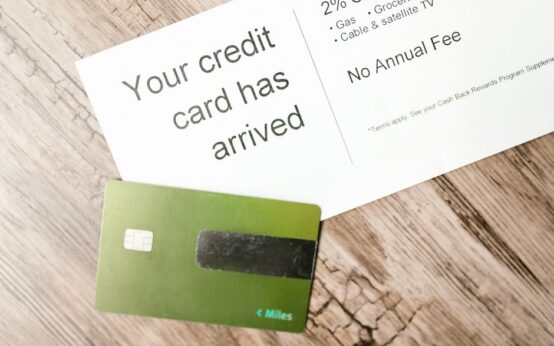

Earn money back on every purchase you already make. The right cash back card turns routine spending into real savings without paying annual fees.

Why Cash Back Cards Beat Other Rewards Programs
Cash back credit cards offer a straightforward advantage over travel points or store-specific rewards: flexibility. When you earn 1.5% cash back on all purchases, that reward applies to groceries, gas, dining, utilities, and everything in between. You’re not locked into redeeming points at specific merchants or watching your rewards expire because you forgot to book a flight.
The best no-annual-fee cash back cards eliminate one of the biggest barriers to credit card rewards. Many premium cards charge $95 to $550 annually, which means you need significant spending to break even. Cards without annual fees let you build rewards habits immediately, even if you’re just starting to improve your financial health. There’s no hidden cost, no justification needed—just rewards on spending you’re already doing.
Cash back also compounds your financial progress. Unlike points that devalue over time or travel rewards you might not use, cash back deposits directly into your statement or bank account. This creates a tangible benefit you can see and use immediately, whether paying down debt, building an emergency fund, or covering everyday expenses. For adults focused on practical financial health improvements, this directness matters.
The math is simple: a household spending $20,000 annually with a 1.5% cash back card earns $300 per year with zero annual fees. Over a decade, that’s $3,000 in free money—assuming you pay your balance in full and avoid interest charges.
Top No-Annual-Fee Cash Back Cards for Everyday Spending
The Citi Double Cash Card remains a gold standard for straightforward cash back. This card earns 1% when you make a purchase and another 1% when you pay your bill—totaling 2% cash back on all purchases with no category limits. There’s no annual fee, no bonus categories to track, and no spending caps. The simplicity appeals to people who want rewards without complexity. Cash back deposits automatically or you can redeem it manually whenever you want.
The Capital One SavorOne Cash Rewards Credit Card targets everyday spending patterns with a 3% cash back rate on dining, entertainment, and streaming services, plus 1% on all other purchases. No annual fee and no caps mean someone who frequently eats out or subscribes to multiple services gains meaningful value immediately. The card also includes cell phone protection and extended warranty coverage, adding practical benefits beyond cash back.
The American Express Blue Cash Everyday works well for households with significant grocery and gas spending. It delivers 3% cash back on U.S. supermarket purchases (up to $130 annually, then 1%), 1% at U.S. gas stations for the first six months (then 1%), and 1% on everything else. Unlike some competitor cards, there’s no annual fee, and American Express’s reputation for fraud protection and customer service adds confidence for people managing multiple cards.
The Wells Fargo Active Cash Card provides consistent 2% cash back on all purchases, everywhere, with no annual fee and no bonus categories to remember. For people who want to eliminate decision-making and just earn on whatever they spend, this straightforward approach removes friction. The card also includes travel protections and extended warranties, valuable safety nets for active cardholders.
Maximizing Your Cash Back Earnings Strategically
Choosing the right card requires honest assessment of your actual spending patterns. Track your expenses for one or two months across major categories: groceries, dining, gas, utilities, and other purchases. Someone spending $800 monthly on groceries benefits dramatically from a 3% card versus a flat-rate 1.5% card—that’s $288 annually versus $144, an extra $144 in rewards. But only if that card has no annual fee and you won’t overspend to hit bonuses.
Stack rewards strategically without overcomplicating. Many people benefit from using one flat-rate card for baseline purchases and one category-specific card for high-spending categories. For example, using a 2% cash back card for most purchases and a 3% dining card when eating out captures rewards in your biggest spending areas without managing five different cards. Keep it to two or three cards maximum—more cards mean more annual fees to track and higher fraud risk.
The critical discipline is paying your balance in full every month. If you carry a balance at 20%+ APR, any cash back rewards vanish instantly. A $5,000 balance at 22% APR costs $1,100 annually in interest—this completely eliminates years of cash back earnings. Before opening any card, ensure you can pay the full statement balance monthly. If you can’t consistently do this, credit card rewards aren’t your priority; debt paydown is.
Set up automatic payments from your checking account to your credit card on a specific date each month. This prevents missed payments (which trigger penalty APR and damage credit scores) and ensures you never carry balances unintentionally. Many people leave automatic payments on their minds as “something to do later” and end up paying interest instead of earning rewards.
Avoiding Cash Back Card Mistakes
The biggest mistake is spending more just to earn rewards. If a card offers 3% on dining, that doesn’t justify spending $300 monthly on restaurants when you were previously spending $100. You’re losing $200 to gain $9 in rewards—terrible math. Cash back works best when applied to spending you’d make anyway, not spending created to chase rewards.
Avoid signup bonus chasing without reading the fine print. Many cards offer bonuses like “$200 back after $500 spending in three months,” but some require annual fees that don’t appear obvious in the marketing copy. Always verify that any card you’re considering has zero annual fees and realistic spending requirements you’ll naturally hit.
Don’t overlook your credit score impact. Each credit card application causes a small temporary dip in your score (hard inquiry). Opening multiple cards within months can compound this effect. If you’re building credit or planning to apply for a mortgage, space card applications across several months. Check your credit report free annually at annualcreditreport.com to catch errors before they affect decisions.
Finally, avoid keeping cash back rewards sitting in your statement when you could use them. Some people earn $50-100 annually but never redeem, essentially leaving money on the table. Check your rewards balance quarterly and redeem when you’ve accumulated a meaningful amount—$50 or $100, depending on your preference. This keeps the psychological connection between earning and benefit clear, reinforcing the habit of using your card strategically.
Building Long-Term Financial Health With Cash Back Cards
Cash back credit cards become most powerful when they fit into a larger financial strategy. They work best for people who budget regularly, pay balances in full, and view them as spending tools rather than credit tools. Combined with an emergency fund, debt payoff plan, and realistic budget, cash back cards accelerate progress toward financial goals without adding complexity.
The rewards themselves matter less than the behavior they support. Someone earning $300 annually in cash back who pays off their balance monthly builds credit history, demonstrates responsible credit use, and maintains flexibility for emergencies. These habits matter far more than the absolute dollar amount of rewards earned. Focus first on consistency—paying on time, every time—and the rewards follow naturally.