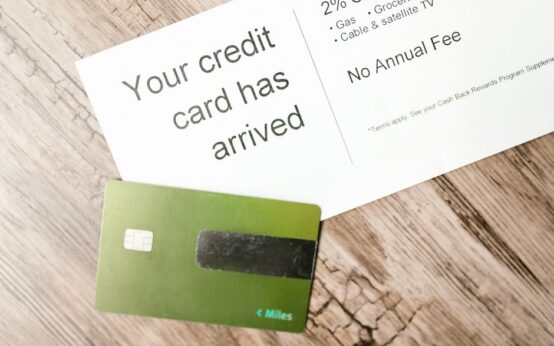


Becoming an authorized user on someone else’s credit card sounds simple—but does it actually build your credit? Here’s what you need to know.

What Is an Authorized User and How Does It Work?
An authorized user is someone who has permission to use a credit card account owned by another person, typically called the primary cardholder. When you’re added as an authorized user, you receive your own card linked to the same account, but you’re not legally responsible for paying the debt. The primary cardholder maintains full responsibility for all charges and payments.
The mechanics are straightforward: the primary cardholder calls their credit card issuer and requests to add you to their account. Most issuers approve this within minutes or hours. You’ll receive a card in the mail, and your name gets added to the account. From that point forward, any activity on that card—purchases, payments, credit limits, and payment history—becomes part of your credit profile.
This arrangement is commonly used for family members, spouses, or trusted friends. Parents often add teenagers or young adults to build their credit before they apply for their own cards. However, the strategy has become increasingly popular as a deliberate credit-building tool, sometimes offered by third-party services that connect primary cardholders with people seeking credit improvement.
Can Authorized User Status Actually Improve Your Credit Score?
The short answer: yes, it can—but with important caveats. The longer answer depends on several factors, including which credit bureau is reporting the data and how your specific credit profile responds to the new information.
When you’re added as an authorized user, the credit card account typically appears on your credit report. This means the account’s payment history, credit limit, and balance-to-limit ratio all become part of your credit profile. If the primary cardholder has an excellent payment record and a low credit utilization ratio (the percentage of available credit being used), these positive attributes can boost your score.
However, not all credit bureaus treat authorized user accounts the same way. Equifax, Experian, and TransUnion have different policies. Some bureaus weight authorized user accounts less heavily than accounts you directly own and manage. Additionally, if you have existing negative items on your credit report (late payments, high balances, collections), becoming an authorized user on a positive account may have less dramatic impact than if you’re starting from near-zero credit.
Real improvements typically range from 10 to 100 points, depending on your starting score and the quality of the account you’re joining. Someone with a very poor credit score might see larger percentage gains, while someone with fair credit might see more modest improvements. Timing also matters—it can take 30 to 60 days after you’re added for the account to appear on your report, and longer still for score changes to materialize.
The Dark Side: Risks and Potential Drawbacks
While the authorized user strategy sounds risk-free (since you’re not legally liable for debt), several significant risks exist. The most obvious is that negative payment activity hurts your credit just as much as positive activity helps it. If the primary cardholder misses payments, maxes out the card, or carries a consistently high balance, your credit score will suffer alongside theirs. You have no control over their spending or payment habits, yet you bear the credit consequences.
There’s also the issue of legitimacy. Credit card companies have become wise to credit-building schemes and now scrutinize authorized user additions more carefully. Some issuers have implemented stricter policies: they may require authorized users to have a relationship to the primary cardholder (like being a spouse or family member), verify that the authorized user actually received their card, or even require a social security number match. Circumventing these rules or misrepresenting your relationship to the cardholder crosses into fraud territory.
Another practical risk: you don’t actually control the account, which means the primary cardholder can remove you at any time without notice. This sudden removal can cause your score to drop, especially if that account was a significant part of your credit mix or credit history. The longer the account has been on your report, the bigger the potential hit when it disappears.
Finally, authorized user status may not help you qualify for credit. Lenders know that you don’t have direct payment responsibility. When you apply for your own credit card, mortgage, or auto loan, creditors will see the authorized user notation and may weight that account far less heavily—or ignore it entirely—when assessing your creditworthiness. It’s not the same as proving you can responsibly manage your own debt.
When This Strategy Actually Makes Sense
The authorized user approach works best in specific, legitimate scenarios. If you’re a young adult or new to credit, being added to a parent’s or spouse’s account—when there’s a genuine relationship and you actually use the card—can provide exposure to positive credit behavior. You gain practical experience with credit while benefiting from an established account with a strong payment history.
It’s also valuable if you have limited credit history but decent credit habits yourself. Rather than waiting months or years to build credit from scratch, authorized user status on a well-managed account can accelerate your journey to a healthy score. This is particularly useful if you’re preparing for a major purchase like a home or car and need to boost your profile quickly.
The strategy makes less sense if you already have negative marks on your credit report. A single authorized user account won’t overcome multiple late payments or high debts. In those situations, you’re better served by addressing the underlying issues: paying down existing balances, making all payments on time, and gradually rebuilding your credit through accounts you own and manage directly.
It also doesn’t make sense to pay for this service. Some third-party companies charge fees to add you as an authorized user on premium credit cards. This is not a legitimate use of the strategy and likely violates the credit card issuer’s terms of service. The credit bureaus and card companies are increasingly cracking down on these operations. If someone is asking you to pay for authorized user status, walk away.
Building Credit: Authorized Users vs. Better Alternatives
While authorized user status can contribute to credit improvement, it shouldn’t be your only strategy. Building genuine credit requires direct action on accounts you own. Opening a secured credit card, which requires a cash deposit but reports to all three bureaus, gives you full control and demonstrates personal responsibility. Becoming an authorized user should complement, not replace, these efforts.
If you’re rebuilding after damage, focus on secured cards, credit-builder loans, and consistent on-time payments for 6 to 12 months. These approaches are slower but far more reliable. Combine them with authorized user status on a family member’s positive account, and you have a comprehensive strategy. Track your progress using free credit monitoring tools, set payment reminders to avoid missed payments, and understand that legitimate credit building takes time—usually 6 months to a year to see meaningful score improvements.